
PMHC – Bridge Assessment Program.
Client.
Port Macquarie Hastings Council
Location.
Port Macquarie, NSW
Project Description.
Port Macquarie Hastings Council (PMHC) wanted a better understanding of the heavy vehicle operational capacity for its Timber and Concrete Bridges. Ductile Consulting Engineers was engaged to assess 36 timber and 55 concrete bridges.
Our Role
- Updated utilisation ratios on 29 previously assessed timber bridges
based upon updated timber surveys; and completed Tier 2 assessments
on an additional 7 timber bridges - Performed Tier 1-2D assessments on 40 concrete bridges
- Reviewed 15 previous for consistency with current project
- Developed network level assessments of the heavy vehicle capacity
and management recommendations for access
Value Delivered
Through the use of our assessment automation tools, we were able to provide fast, quality, assessments at a reasonable price. Through our dashboarding and engineering experience in interpreting assessment outcomes, we were able to provide clear, high-quality recommendations for heavy vehicle access across PMHCs bridge network.
Funding: Restart NSW – Fixing Country Roads Program

Other Projects.
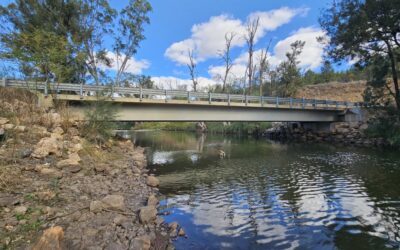
Gunnedah Shire Council – Data Collection Assessments
We combined Gunnedah Shire Council’s bridge and culvert inspections with NHVR SLGAAP data collection, reducing mobilisation costs and improving efficiency. The project delivered digital inspection records and condition data to support maintenance planning and long-term asset management.
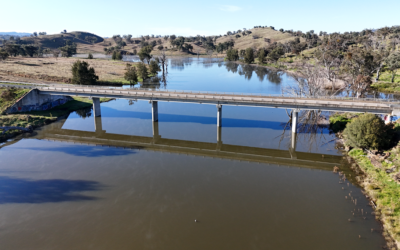
Tamworth Regional Council – L2 Inspections
Ductile Consulting Engineers completed Level 2 inspections of 64 bridges and 122 major culverts for Tamworth Regional Council. Using a dedicated culvert inspection methodology, DCE delivered more cost-effective inspections with reporting tailored specifically to culvert assets.
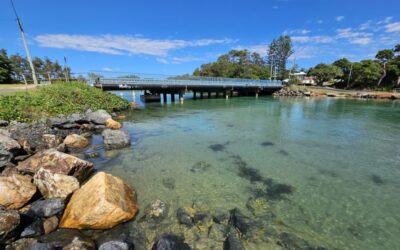
Orlando St Bridge Level 3 Inspection
Routine inspections of the Orlando St Bridge revealed significant deterioration, leading to Ductile Consulting Engineers being engaged. Their analysis confirmed no load restriction was needed and informed repairs to extend the bridge’s life by at least 30 years at a fraction of replacement cost.