
Level 2 Inspection of Major Culverts and Risk Assessment Prioritisation.
Client.
Port Macquarie Hastings Council
Location.
Project Description.
Port Macquarie Hastings Council (PMHC) manages over 2,500 major and minor culverts across its stormwater network. To support their understanding and management of their culverts, PMHC received a grant from the Disaster Risk and Reduction Fund via the NSW Reconstruction Authority to develop and implement a mobile risk assessment tool to; update condition data, assess hydraulic capacity to determine inherent risks and vulnerability, and prioritise future repair, renewal, or upgrade works for culvert assets.
PMHC engaged Ductile Consulting Engineers to; perform condition inspections and catchment hydraulic assessments on 160 culverts, develop risk assessment and prioritisation systems in consultation with PMHC, and provide insight into the condition of the network and top priority culverts.
Following the successful completion of this phase of work, Ductile Consulting Engineers were engaged to; train PMHC staff on culvert inspection methodologies and the mobile risk assessment tool, as well as conduct inspections of an additional 115 culverts.


Other Projects.
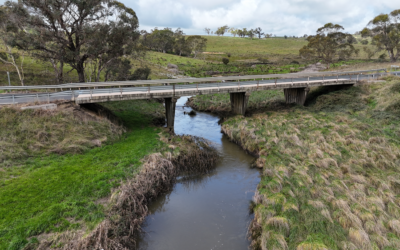
Level 3 Structural Assessment – Walcha Council
We undertook a Level 3 structural assessment of G R Hicks Bridge, evaluating its load-carrying capacity and investigating concrete deterioration. We provided recommendations for targeted repairs, heavy vehicle access and ongoing asset management to support the bridge’s long-term serviceability.
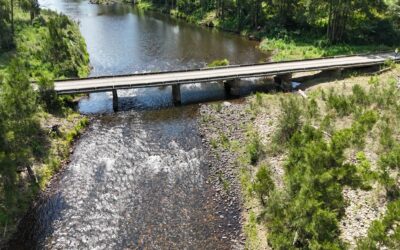
PMHC – Bridge Assessment Program
Port Macquarie Hastings Council engaged Ductile Consulting Engineers to assess heavy vehicle capacity across its bridge network. Ductile evaluated 91 bridges and, using automated tools, delivered efficient insights and clear recommendations to guide access.
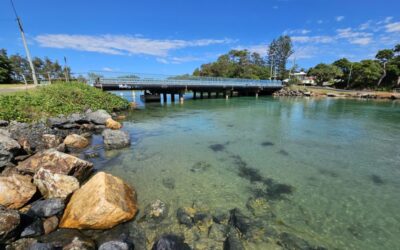
Orlando St Bridge Level 3 Inspection
Routine inspections of the Orlando St Bridge revealed significant deterioration, leading to Ductile Consulting Engineers being engaged. Their analysis confirmed no load restriction was needed and informed repairs to extend the bridge’s life by at least 30 years at a fraction of replacement cost.